Reconstruction After Mohs Surgery

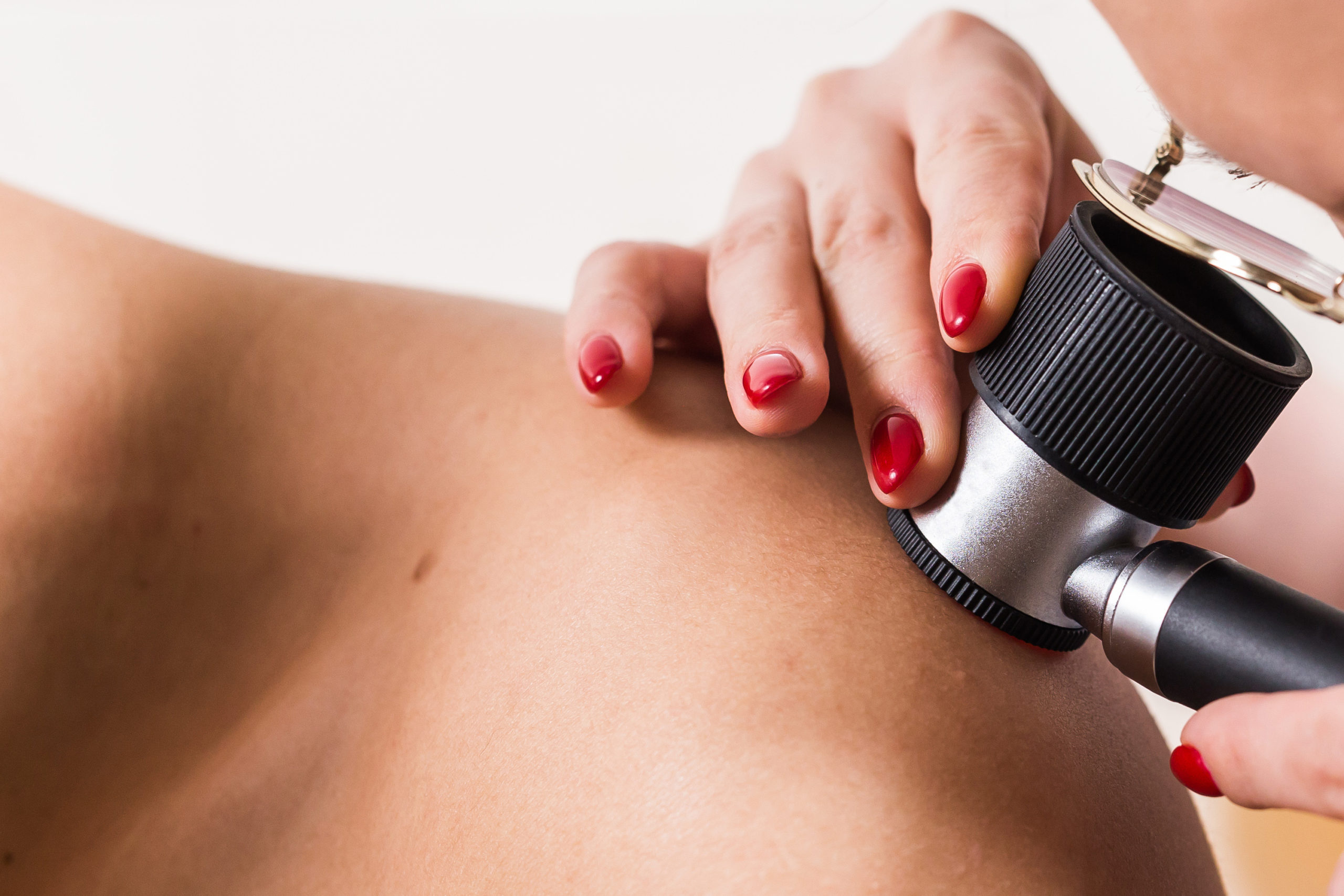
Mohs surgery is arguably the most successful modality used to treat basal cell carcinomas and squamous cell carcinomas today. During Mohs surgery, a specimen is taken and analyzed under a microscope. If cancerous cells are found, additional layers of tissue are removed and examined until no cancer is found. By removing only affected cancerous cells, as much healthy tissue as possible is preserved.

Unfortunately, Mohs surgery can leave unsightly depressions or other scars in the skin where the lesion once was. Reconstruction surgery is then used to correct cosmetic abnormalities caused by Mohs surgery. Techniques involved in reconstruction include skin grafting, local flaps and free tissue transfer, among others.

When to Choose Reconstructive Surgery

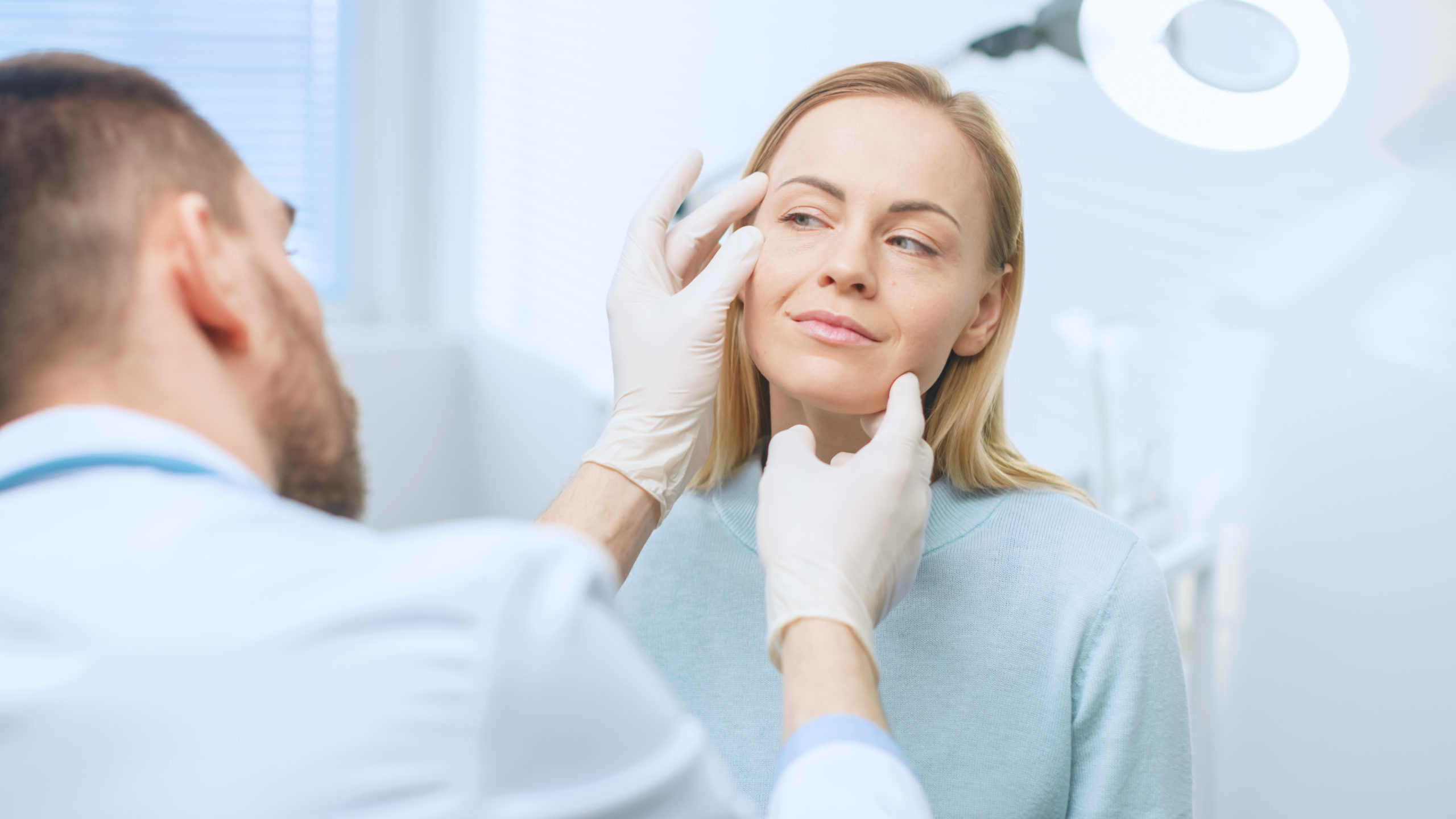
If you are facing Mohs surgery and are concerned about the impact of the procedure on your appearance, set up an appointment with Dr. Bourhill. During a consultation, you and Dr. Bourhill can discuss the tumor stage and prognosis, your general health, and so on, to determine if reconstruction surgery will benefit you. Indications that are used to establish reconstruction as part of a treatment plan may include the following:

  • Available reconstructive donor sites
  • Functional status of the body area being treated
  • Tumor stage and prognosis

It is also important that individuals receiving reconstructive surgery are psychologically sound and have realistic expectations for surgery.

How Reconstruction After Mohs Works

Before surgery can begin, your wound will need to be examined in order to determine which approach to use: direct closure, skin grafts, tissue expansion, or flap.

For wounds with straight edges, direct closure may be most appropriate. In this case, Dr. Bourhill simply sutures the wound closed.

Wounds that are too wide to be covered by the surrounding tissue may require a skin graft. In this procedure, skin from another area of the patient’s body is transferred to the wound site. If there is a lack of available tissue to complete a skin graft, allografts or xenografts may be used. Allografts are made from tissues of a human being other than the patient, and xenografts from other species.

Tissue expansion is an effective modality if new skin is needed to cover a wound. During this procedure, Dr. Bourhill will insert a tissue expander, or a balloon-like apparatus, just under the skin. The expander is then filled with saline solution; over the course of days to weeks, the expander grows and new skin is created. When sufficient new tissue has been produced, the expander is removed and the skin is used to close the wound.

Flap surgery involves transfer of tissue including fat, skin, blood vessels and muscles, from one area of the body to the wound site.

Dr. Bourhill is a member of the American Society of Plastic Surgeons and a fellow of the American College of Surgeons. In addition, he has been practicing plastic surgery in Long Island for 13 years, and has held his plastic surgery practice in Long Island for more than nine years. If you decide to work with Dr. Bourhill, you will be in good hands. Please call us at 631-424-4026 to set up a consultation or to ask any questions you may have about reconstruction after Mohs surgery.